About Me 关于我
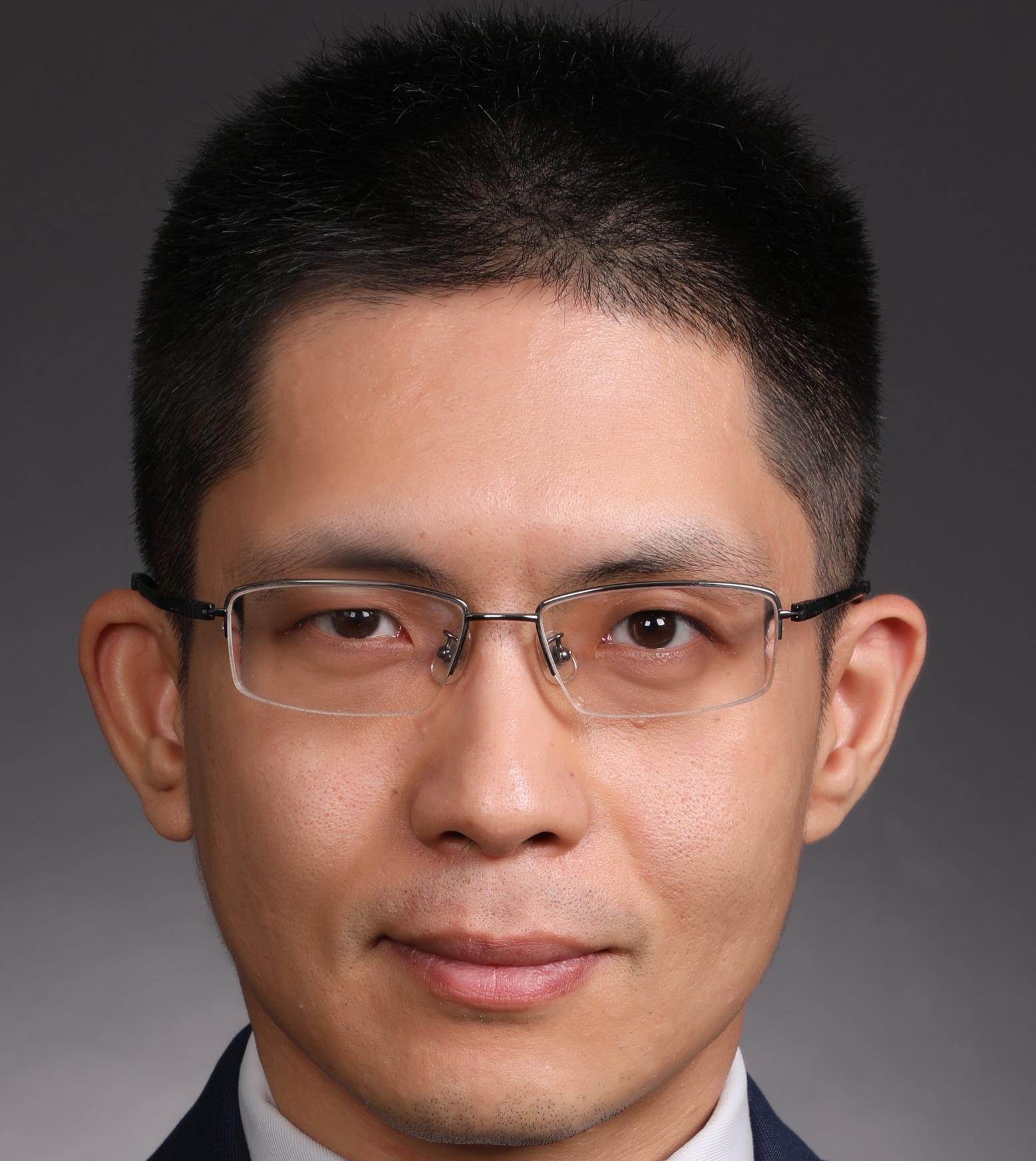
I am an Associate Professor of Political Science at Tsinghua University and Deputy Chair of the department. I earned my Ph.D. from the University of Iowa in 2018 and joined Tsinghua in 2019.
My research examines the microfoundations of policy and governance, and one question runs through all of it: how much autonomy do ordinary citizens hold, and exercise, when they interact with political power? I pursue it along two lines. The first asks how citizens’ understanding of political institutions shapes the room they have to act within them, from comparable estimates of democratic support across countries and decades to the perceptions of governance performance that carry economic structure into political trust in China. The second asks what language does to that same autonomy, since the words available to citizens shape how they can think and speak about power at all. My book, From Mouth to Mind: How China’s Language Regime Shapes Mass Political Psychology (Springer, 2026), brings this second line together.
My interests of political methodology runs through both, since claims about microfoundations are only as credible as the measurements behind them. I work on data harmonization to compare public opinion across time and place, on the design of laboratory and survey experiments, and on packaging both into open-source software, downloaded more than 600,000 times and used across political science, psychology, statistics, and the environmental sciences. The same commitment shapes my teaching. Alongside courses in public policy analysis and political data analysis, I founded the year-long workshop Learning R with Dr. Hu and His Friends to give students in the humanities and social sciences a working command of computational methods.
See my publications for the research itself, and my CV for everything else.
我是清华大学社会科学学院政治学系长聘副教授、博士生导师,兼任政治学系副系主任、清华大学国家治理与全球治理研究院兼职研究员及清华大学智能社会(AI4SS)平台矩阵副主任。
我的研究领域覆盖政治心理学、语言政治学和政治传播学,核心关注是“国家治理的认知基础”。 民心是最大的政治;民众能否理解、认可国家的治理安排,是制度得以存续、治理得以有效的心理前提,也划定了普通人在面对政治权力时所拥有的自主空间。 围绕“国家治理现代化实现的认知机理”这一核心问题,我延两个路径开展研究。
一是心理测量。 我和合作者从全球千余项公共调查数据出发,建立起可跨国家、跨年代比较的民主民意、政治兴趣、乃至性少数群体态度测度。 聚焦中国,我追问宏观经济结构如何经由民众对治理效能的感知影响政治信任,也围绕反腐、宣传、人口流动与城市治理等议题,考察治理制度在民意层面激起的反应。
二是语言政治。 我构建了“官方语言场域”理论,把语言规划、社会情境与个体认知放进同一个分析框架,考察语言如何经由社会流动、政治自主与身份认同等机制,形塑民众的政治观、世界观与价值观。 相关研究的阶段性成果已结集为 From Mouth to Mind: How China’s Language Regime Shapes Mass Political Psychology(Springer,2026),把该路径上的研究整合成一部完整的论述。
贯穿两条路径的是我对社会科学研究方法的长期兴趣。 民意能否跨时空比较、实验手段在政治学中的边界何在等,是我持续关注的问题。 我也把研究中形成的技术与可视化工具封装成开源软件,全球累计下载已超过六十万次,支持着政治学、心理学、统计学与环境科学等多个领域的研究。 同样的关切延伸到教学:除理解政策(“清华大学精品课”)、政治学数据分析(“清华大学精品课”)等课程外,我创办了面向人文社科学生的年度 R语言工作坊。
目前,我的相关论文已见于《美国政治学评论》(APSR)、《政治研究杂志》(JOP)、《政治学研究》《世界经济与政治》等中英文期刊。 我也主持国家自然科学基金、北京社会科学基金、国家高端智库重点项目等多项科研项目。 更多信息可见 论文与 简历。
Featured categories
Methodology (16) Teaching (11) Public Opinion (5)